
ITR Cylinder Liners for Diesel Engines
A reliable engine is a basic prerequisite for optimal performance of earthmoving machines such as mini excavators, excavators, dozers, wheel loaders and dumpers, which are typically deployed in intensive operation.
Quality spare parts and careful maintenance of the machine's engine components extend its service life, shorten service intervals and increase productivity. Let's take a look at how cylinder liners significantly contribute to reliable engine operation.
Types of cylinder liners and their advantages
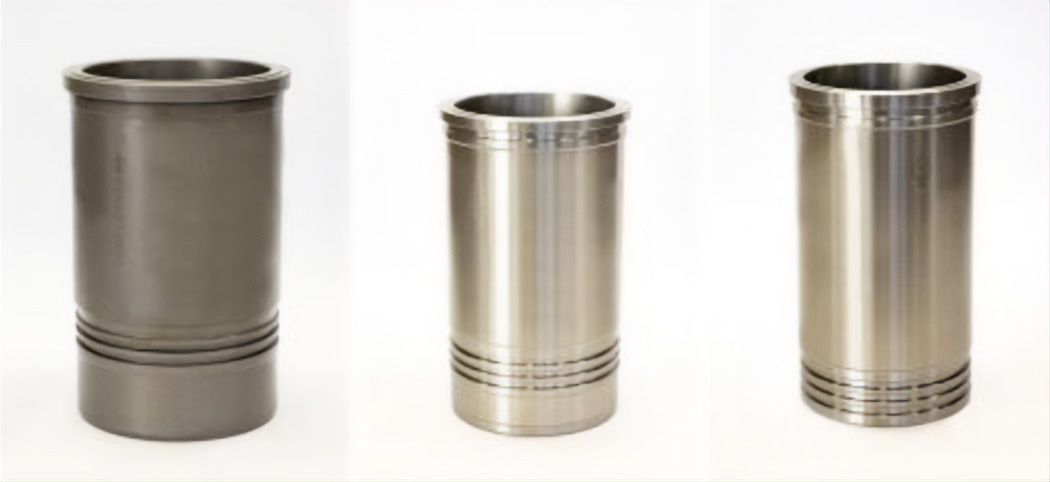
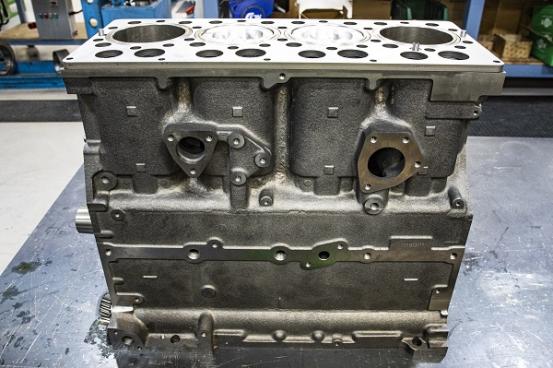
Cylinder liners are components able to retain a thin film of oil on their inner surface. Once fitted into the cylinders of the engine block, they protect it from wear caused by the sliding motion of the pistons. Unlike less demanding applications, industrial machine engines typically use cylinder liners to prevent wear of the cylinder walls in the engine block.
There are two main types of cylinder liners:
-
a type that has no direct contact with the cylinder wall of the engine block and is seated in the coolant. For this reason they are referred to as "wet" liners;
-
a type known as "dry" liners or "sleeves" — thin bushings installed inside the engine block with their outer wall in direct contact with the engine block;
Engine manufacturers use cylinder liners for a number of advantages this system offers.
The main reasons are:
-
greater durability – liners are usually made from special alloys containing elements with natural lubricating properties, such as graphite. Other components such as chromium, vanadium and molybdenum add resistance to corrosion and high-temperature wear;
-
easier maintenance and shorter service downtime – cylinder liners can be replaced more easily and quickly than the entire engine block;
-
higher thermal conductivity – during engine operation the liner heats up more than the engine block and expands both in diameter and in length. If it were made from the same material as the engine block, the resulting thermal load could cause it to crack;
-
reduce the risk of failure – the more complex the casting, the harder it is to achieve perfectly uniform surfaces with low residual stress;
Essential properties of engine cylinder liners
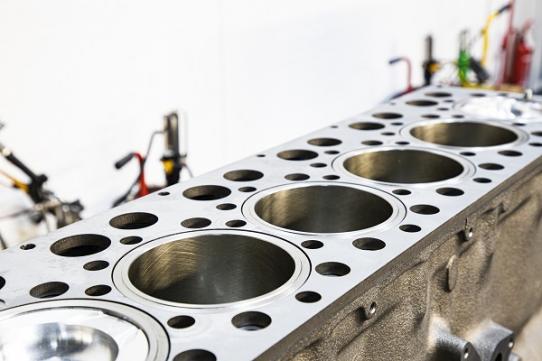
Engine blocks are exposed to many types of stress:
- mechanical, caused by combustion pressure;
- thermal, caused by high temperatures during the combustion process;
- wear from three main factors:
- abrasion, which depends on the efficiency of the air and oil filters;
- corrosion caused by combustion gases;
- friction and scuffing caused by insufficient lubrication;
The design of the liners must therefore meet the specifications for the specific engine type:
-
high durability and corrosion-resistant properties;
-
low friction;
-
maximum precision;
A key benefit of cylinder liners is extending engine life by reducing friction through a cross-hatch pattern of grooves on the inner wall, which ensures sufficient lubrication at the contact point between the piston rings and the liner. The correct intersection angle for the wall grooves is generally given as 45°; for some materials and applications, specific angles are specified.
Other factors that help increase durability and limit wear of the liner surfaces are rolled flanges and a corrosion-resistant coating on the outer wall.
ITR® USCO cylinder liners
Choosing the right type and correctly using just one small component can have a major impact on the performance and service life of earthmoving machines. We offer a wide range of ITR cylinder liners with bore diameters from 94 mm to 170 mm for machines of the brands Caterpillar, Komatsu, Volvo, Hitachi and JCB. For more information on the most suitable type and materials for your application, please contact our sales advisors.